

When people plan a new office, classroom or learning environment, they usually focus on budget, layouts and floorplans first. Colour often becomes an afterthought.
That is a mistake.
The colours you choose for furniture influence how people feel in a space, how they interact with it and, ultimately, how effectively they work or learn. Get the colour scheme right and the space feels purposeful, engaging and professional. Get it wrong and even expensive furniture can leave a room feeling uninspiring, chaotic or dated.
The Biggest Mistake? Playing It Safe
Walk into many offices and educational buildings and you’ll find the same formula: grey desks, grey chairs, grey storage and grey carpets.
The logic is understandable. Neutral furniture feels like a safe choice.
Unfortunately, safe can quickly become forgettable.
An environment with no visual energy can feel sterile and uninspiring. Equally, filling a room with bright colours simply because they look exciting in a brochure can create a space that becomes tiring to work in every day.
The best environments are designed with intent. Every colour should support how the space is meant to function.
Colour Should Follow Purpose
Before choosing furniture finishes, ask a simple question: “What do we want people to do in this space?”
A boardroom should feel professional and focused. A breakout area should encourage conversation and collaboration. A classroom should feel stimulating without becoming distracting. A library or wellbeing space should help people slow down and concentrate.
Too often organisations choose a single colour scheme and apply it everywhere. The most successful workplaces and educational settings do the opposite. They use colour to support different activities and behaviours.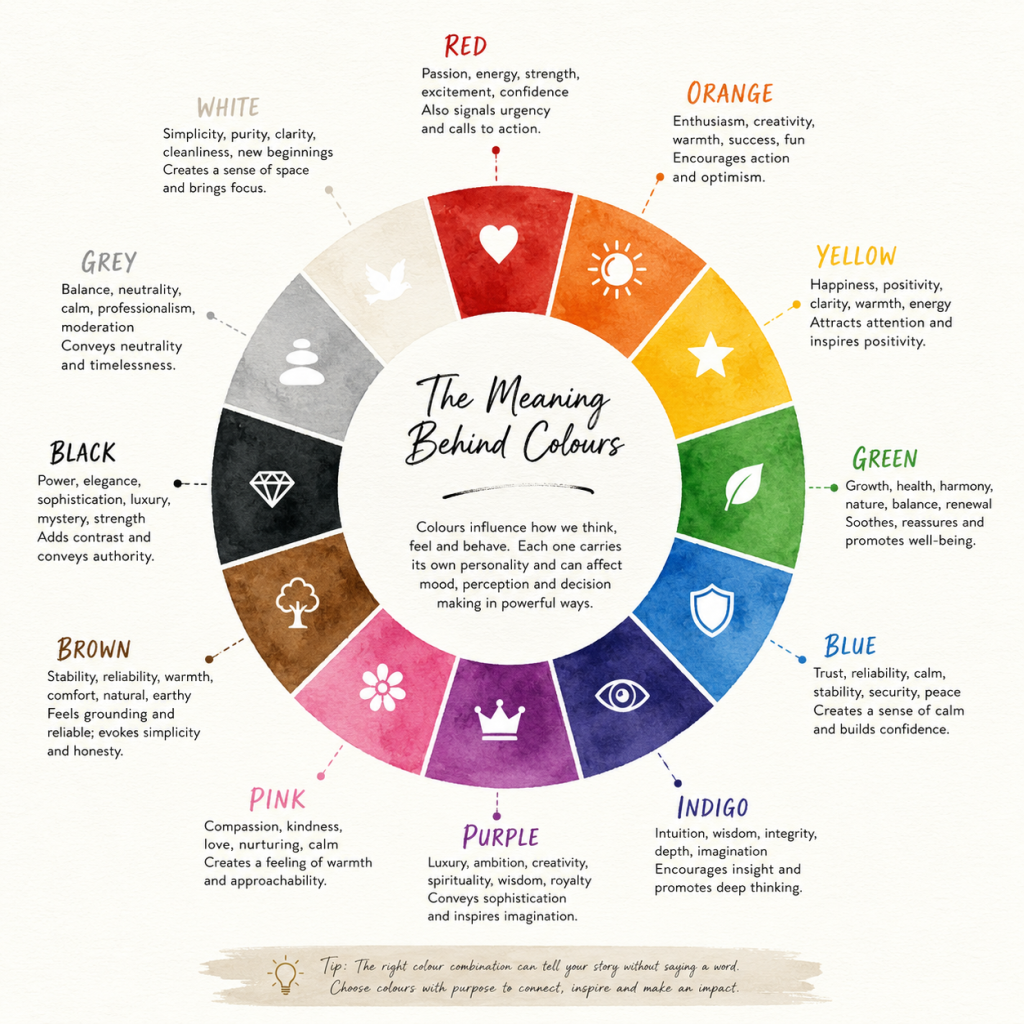
Modern Offices Need More Than Grey Desks
The workplace has changed dramatically over the last decade. Offices are no longer just rows of desks. They are places where people collaborate, share ideas and build culture.
That is why leading organisations are introducing colour through soft seating, acoustic pods, breakout furniture and collaborative spaces.
A neutral base still has its place. However, carefully chosen accent colours can create visual interest, improve wayfinding and help different departments or zones develop their own identity.
The result is a workplace that people actually want to spend time in rather than one they simply tolerate.
Educational Furniture Has a Different Challenge
In education, colour needs a more balanced approach.
Bright colours can make learning environments feel welcoming and engaging, particularly for younger students. However, there is a fine line between stimulating and distracting.
The strongest educational spaces use colour strategically. Different furniture finishes can help define collaborative zones, independent study areas and social spaces without the need for additional signage or partitions.
In many cases, furniture becomes part of the wayfinding system itself.
Design for Longevity, Not Trends
Furniture is a long-term investment. While bold colours can look impressive today, they also need to work five or ten years from now.
That is why many successful schemes combine timeless neutral finishes with carefully selected feature colours. This approach creates flexibility while allowing organisations to refresh spaces without replacing everything.
Most importantly, it creates environments that feel considered rather than fashionable.
Great Spaces Don’t Happen by Accident
The best office and educational environments are never the result of choosing furniture from a catalogue one item at a time.
They are planned as complete spaces where furniture, colour, flooring, lighting and layout all work together.
When colour is treated as a design decision rather than a finishing touch, the result is a space that feels more professional, more comfortable and more effective for the people using it every day.
Planning a new office, classroom or learning environment?
Take a look at our services – click here.
Speak to the Polycopy team about furniture solutions, colour schemes and workspace layouts designed around how people actually work and learn.
Call 01509 610077